Demo Video & Walkthrough
Walkthroughs of MO§ES governed execution, the SigRank application workflow, and the physical product brief.
A walkthrough of MO§ES governed execution and the SigRank application workflow built on top of it.
A video brief covering the physical product narrative and positioning.
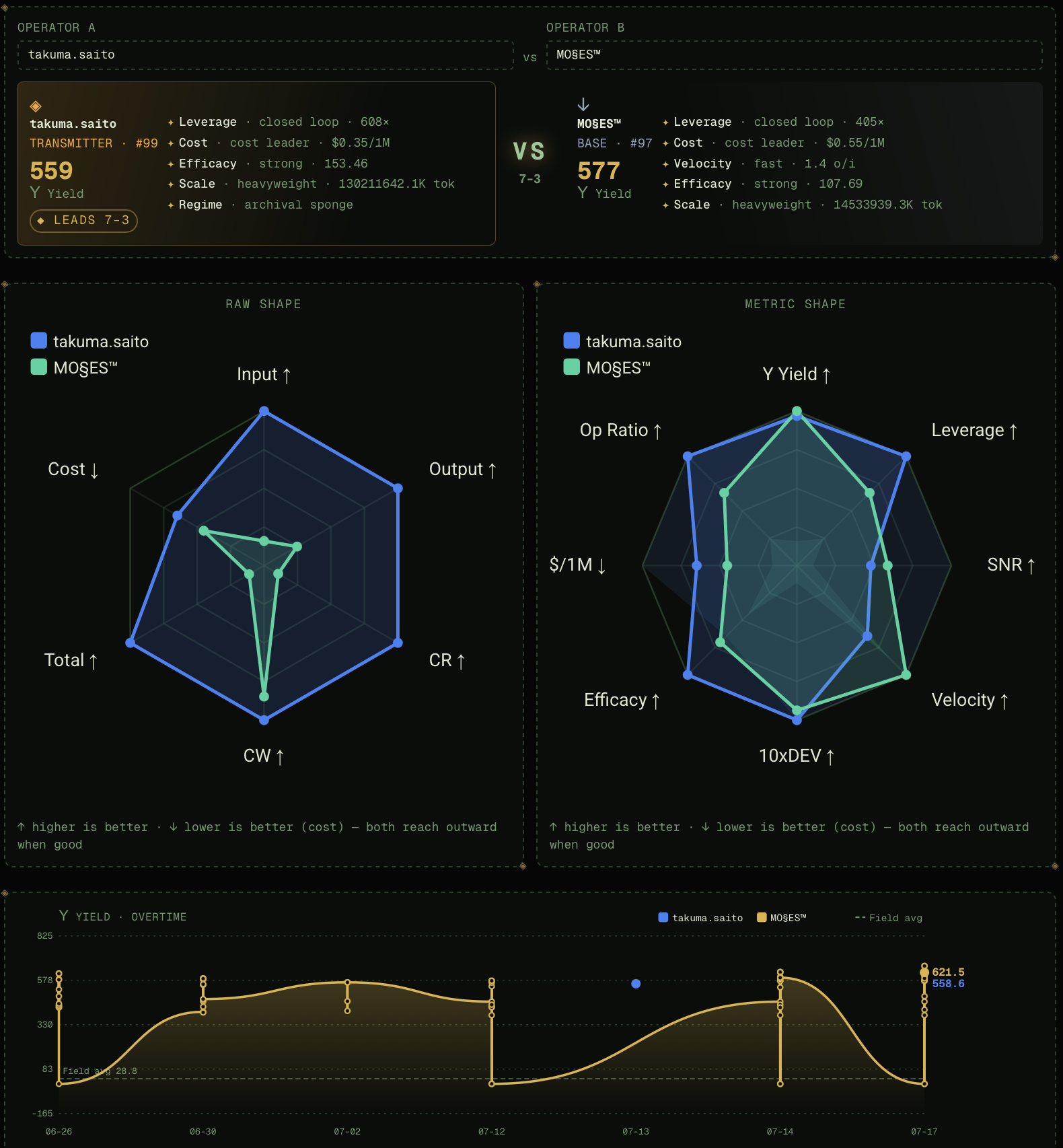
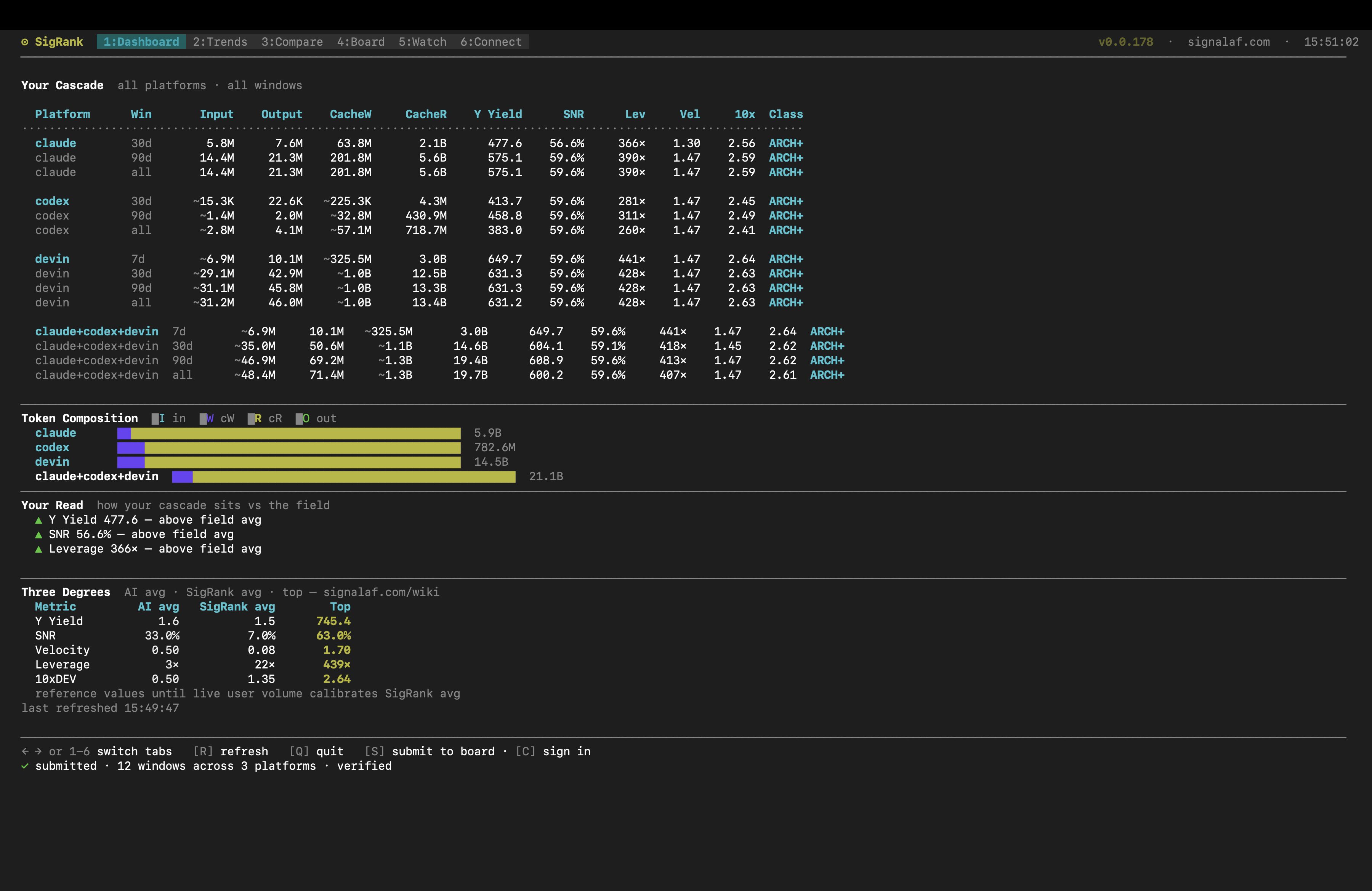
Visual reference captures from the product environment.
What the demo shows
This walkthrough captures MO§ES governed execution in motion — the path from signal intake to constitutional enforcement. You will watch a raw prompt enter the governance layer, pass commitment conservation checks, and emerge as a lineage-bound artifact with a verifiable provenance chain. Nothing executes until every semantic commitment made upstream is honored downstream.
The SigRank application workflow
SigRank sits on top of MO§ES as the signal governance application. It ingests candidate signals, scores each against constitutional constraints, and ranks them by fidelity to original intent. The demo traces a signal as it is evaluated, ranked, and either accepted into the governed execution stream or rejected for commitment drift — making AI governance observable rather than aspirational.
Commitment conservation in action
The centerpiece is the commitment conservation test. Viewers see a live comparison: commitments declared at generation time versus commitments preserved at execution time. When the two align, the artifact is stamped as lineage-bound. When they diverge, the governance layer halts execution and surfaces the violation — no silent degradation, no quiet rewrite.
Key takeaways
By the end three things should be clear. First, MO§ES treats governance as a runtime enforcement layer, not a post-hoc audit. Second, SigRank makes signal quality measurable across sources. Third, lineage-bound artifacts give downstream consumers a guarantee that what they received is what was intended — the foundation of trustworthy AI governance at scale.